
Jana–Gana–Mana is a silsila — a pathway for those committed to defending constitutional values through public reason and democratic action.
Application Deadline: 10 March 2026
This is not a course in leadership skills, nor a certificate-bearing programme. It is an invitation to thoughtful, disciplined reflection and responsible engagement in public life. The Republic does not sustain itself automatically. It depends on citizens who are willing to think clearly, disagree respectfully, and act with conviction and care.
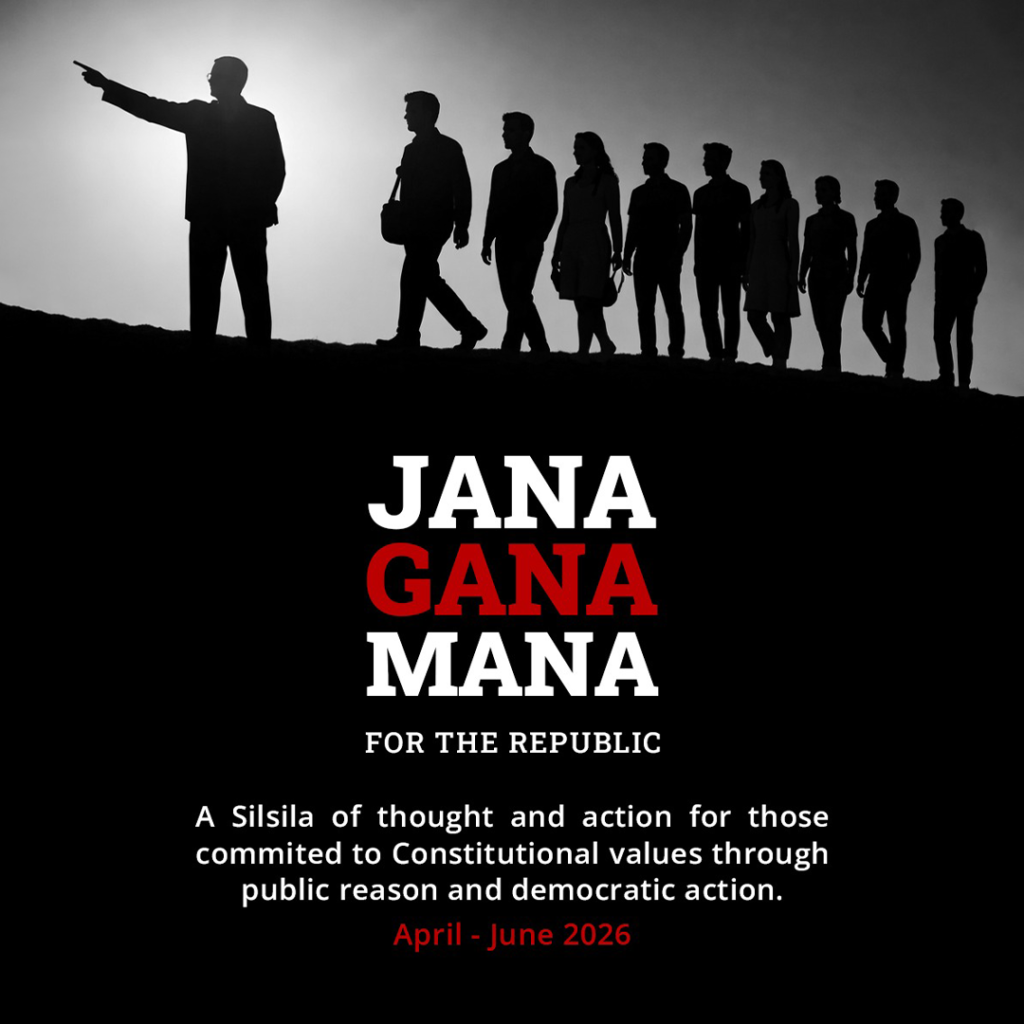

The pathway begins with a five-week online interaction (first week of April to first week of May) among a carefully selected group of sahchars — companions in thought and action. Participants will take part in two sessions each week: a lecture–response session accompanied by Yogendra Yadav, and a small-group discussion facilitated by activist- intellectuals. Each session will be approximately two hours, and participants should expect to spend an additional 4–6 hours each week in reading and preparation. The emphasis throughout is on close reading, structured dialogue, and reflective engagement.
From this group, a smaller number will be invited to a 9-day in-person satsang in Himachal Pradesh (expected in the first week of June) — a shared space for deeper reflection and collective learning. A team of activist-intellectuals, including Yogendra Yadav and Prashant Bhushan, will join participants in this engagement.
JanGanMan silsila does not promise visibility, networking, or career advantage. It asks for time, seriousness, and ethical commitment — and offers in return a space for meaningful dialogue and formation.
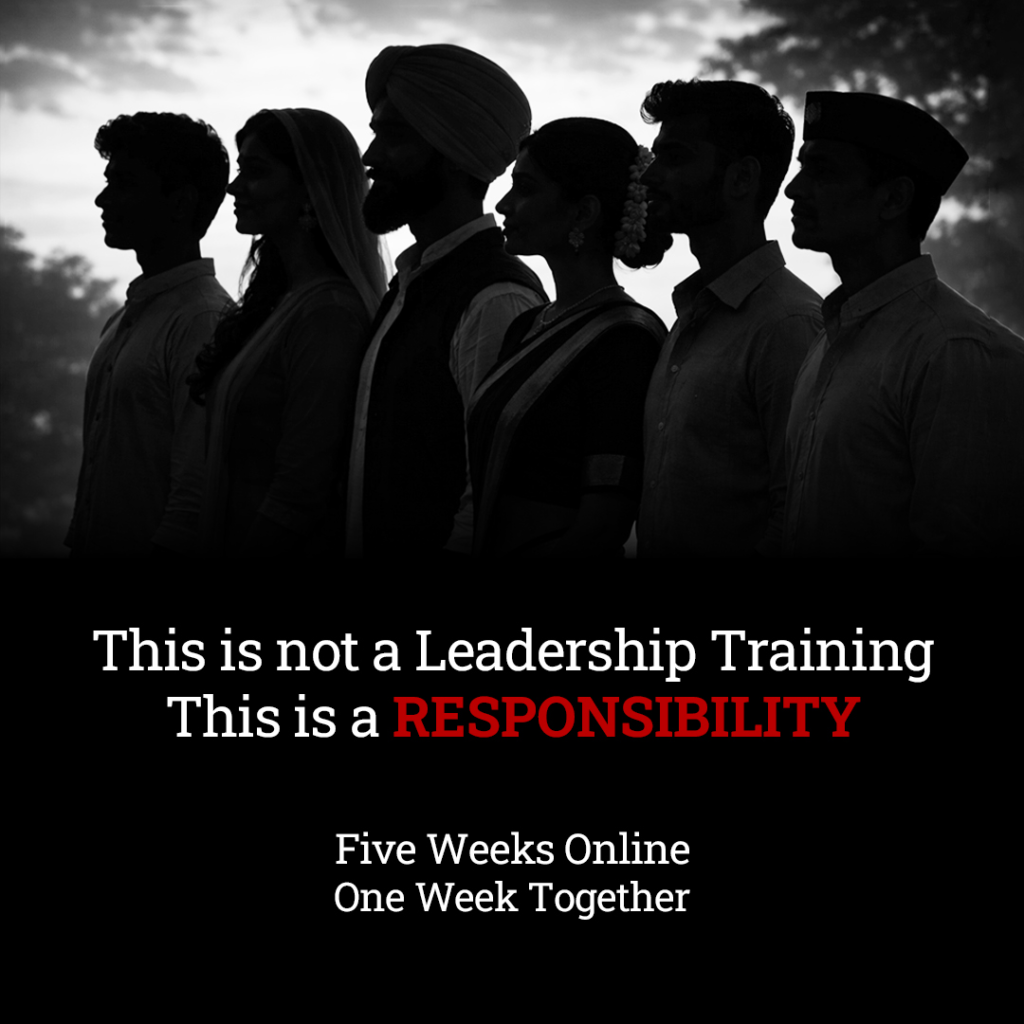
If you believe that constitutional values must be practised — not merely invoked — and are willing to commit yourself to sustained engagement, we invite you to apply.
Applications are now open. Please complete the form below. You may consult the FAQs or contact us at janaganamanasilsila@gmail.com clarification.
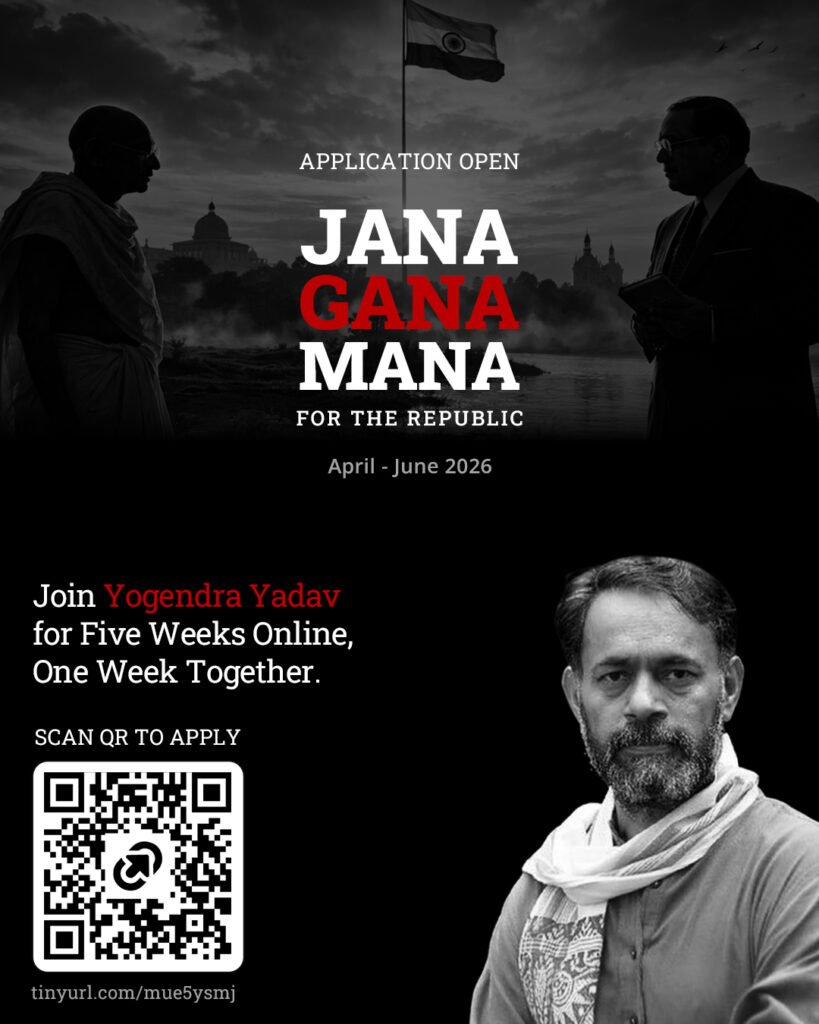
Unable to fill form? Fill Here
Application Closed!
Application Deadline: 10 March 2026
Fill from to Apply. (Allow cookies to fill the form)
Unable to fill form? Fill Here
Questions You May Have
Who is eligible?
Anyone can apply. There is no age bar, though we expect and may prefer younger participants. Gender, caste, region, and religion are of no relevance to selection — diversity is welcome. Degrees matter far less than curiosity, seriousness, and the willingness to read and think. If you are open to learning (and unlearning), you are eligible.
Is this silsila affiliated with any organisation or ideology?
No. JanGanMan is not affiliated with any political party or organisation, nor does it require adherence to any “ism” beyond a commitment to constitutional values. You may
belong to any organisation (or none), as long as you disclose this honestly. Participation here does not bind you to any organisation, activity or endorsement.
What am I committing to? Can I continue my studies or work?
You will need to commit roughly 10 hours per week: two sessions of about two hours each, plus 4–6 hours of reading and preparation. Lecture–response sessions will typically be on weekends, and you will have some flexibility in choosing your small-group discussion slot. Most participants can continue their studies or work alongside this, but if your schedule is already overflowing, it may be wise to reflect before applying. JaGaMa rewards attention, not multitasking.
What will be the medium of interaction?
For now, we are limited to Hindi and English. You should be comfortable reading and communicating fluently in at least one of these languages. Groups will be organised based on language preference so that conversation remains thoughtful and fluid.
Is there a fee?
No. There is no participation fee. If you are invited to the in-person satsang in Himachal Pradesh, you will need to arrange your travel; if that presents difficulty, we will try to support you.
Who will I be interacting with?
JanGanMan brings together a team of experienced activists and public intellectuals. The weekly online lecture–response sessions will be accompanied by Yogendra Yadav, supported by a wider team, and small-group discussions will be facilitated by activist- intellectuals. The in-person satsang will include leading public voices such as Yogendra Yadav and Prashant Bhushan, with an emphasis on dialogue rather than speeches.
Will this help me prepare for my course or competitive exams?
No. JanGanMan is not designed as preparation for any examination. That said, careful reading and engagement rarely harm one’s intellectual preparation — but if your primary goal is degree or exam, you would be better served elsewhere.